The Essential Guide to Carpet Cleaning: Techniques, Tools, and DIY Solutions
Maintaining clean carpets is crucial for upholding a property's look and wellness. Multiple flooring types require different cleaning methods and tools. Understanding these differences can greatly enhance cleaning effectiveness. Home dwellers regularly meet issues with marks and fragrances, necessitating the need for efficient fixes. By reviewing both expert options and self-help methods, one can discover various methods to increase carpet life expectancy. The subsequent measures may reveal helpful discoveries into maximizing carpet care.
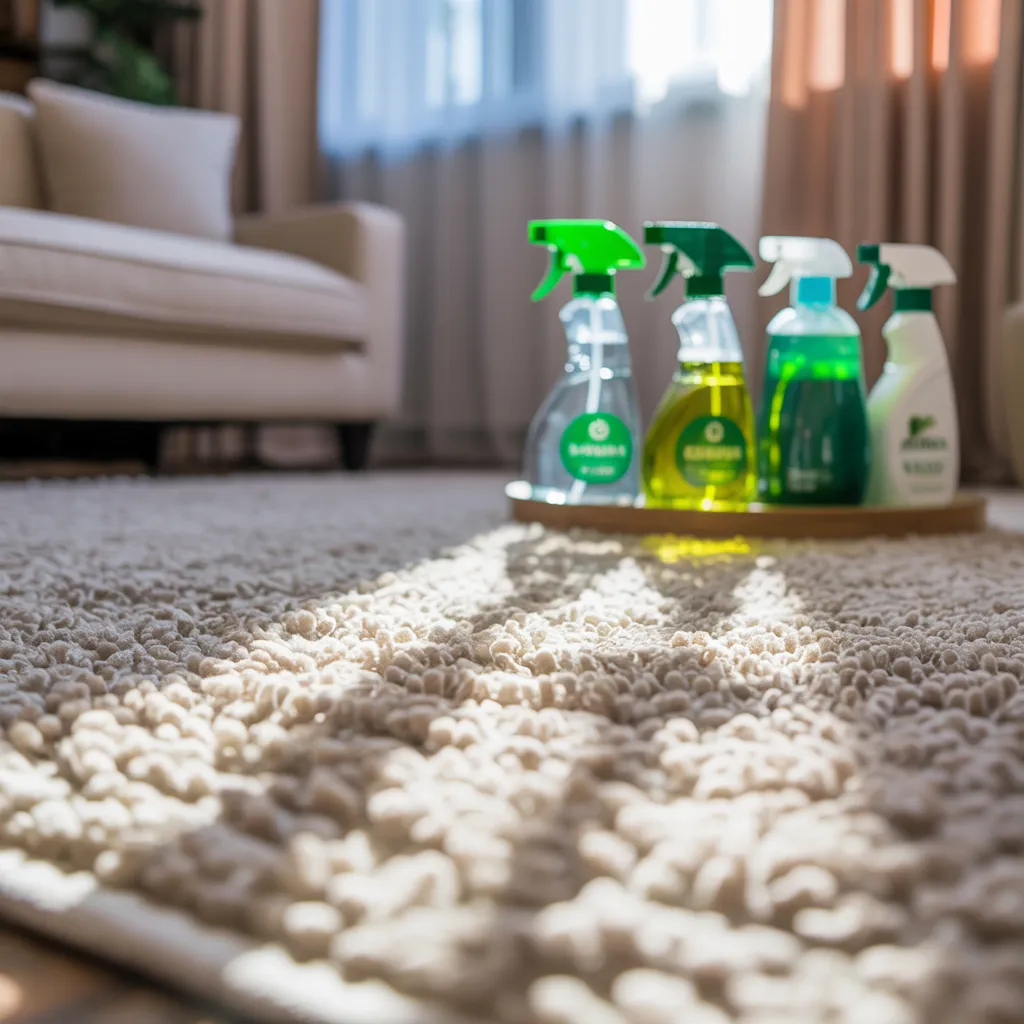
Learning About Different Carpet Kinds and Their Maintenance Necessities
Different carpet varieties need specific cleaning techniques to copyright their visual appeal and longevity. For example, wool carpets are recognized for their resilience but can be sensitive to high heat and harsh chemicals, requiring gentle cleaning solutions. Synthetic carpets, such as nylon and polyester, are considerably more durable and can often tolerate stronger cleaning agents, making them easier to maintain.
Berber carpets, characterized by their looped fibers, can trap dirt and debris within their texture, requiring regular vacuuming and occasional professional cleaning to prevent matting. In contrast, shag carpets, with their long fibers, demand careful handling to avoid tangling and may require specialized cleaning techniques.
Recognizing these variations is vital for effective carpet care, guaranteeing that each type is treated appropriately to preserve its unique qualities and prolong its lifespan. By recognizing the specific cleaning requirements of different carpets, one can prevent damage and ensure that their flooring remains in peak condition.
Critical Carpet Cleaning Gear and Gear
A comprehensive carpet cleaning toolkit is crucial for preserving the appearance and hygiene of carpets. Important tools include a vacuum cleaner, which reliably removes surface dirt and debris, and a carpet brush for deeper cleaning of fibers. Stain removers, coming in both commercial and homemade varieties, are crucial for treating specific spills and stains immediately.
Furthermore, a steam cleaner can deliver a deep cleaning by employing hot water extraction, which eradicates dirt and allergens. Carpet cleaning pads and cloths are required for applying cleaning solutions and blotting stains. A bucket and measuring tools are significant for mixing solutions precisely.
Ultimately, having protective hand coverings and a mask provides safety when managing cleaning chemicals. Having these important supplies, keeping clean and fresh carpets becomes a simple task, fostering a cleaner living space.
Proven Carpet Cleaning Methods
Professional carpet cleaning techniques can greatly enhance the results attained with the right tools and equipment. One basic approach is the process of dry cleaning, which utilizes specialized powders that absorb dirt and grime, making it excellent for delicate carpets. Another effective method is steam cleaning, which uses hot water extraction to eliminate ground-in dirt and allergens. Regular vacuuming is also crucial; it helps prevent the collection of debris and sustains carpet appearance.
For high-traffic areas, a combination of thorough deep cleaning and spot cleaning is suggested to address stubborn stains effectively. It is crucial to comply with the carpet manufacturer's guidelines related to cleaning products and techniques to prevent damage. Employing a rotating brush or carpet rake can serve to elevate fibers and restore the carpet's texture. Ultimately, utilizing a variety of techniques based on specific carpet types and conditions guarantees superior cleanliness and longevity.
Homemade Carpet Cleaning Techniques for Stains and Odors
When addressing carpet stains and odors, numerous people opt for DIY solutions that are both practical and affordable. Common stain remedies typically include household items such as vinegar and baking soda, while odor removing techniques can rely on ingredients including essential oils or activated charcoal. These methods deliver practical alternatives to commercial cleaners, making carpet maintenance easy for everyone.
Standard Stain Remedies
Numerous households deal with the problem of stubborn stains and persistent odors that can diminish the appearance and freshness of carpets. Common stain remedies often employ household items, providing effective solutions without the need for harsh chemicals. For instance, a mixture of white vinegar and water can address pet stains, while baking soda reliably absorbs odors. Dish soap combined with warm water works as a great solution for grease stains. For red wine spills, club soda can help extract the stain when blotted promptly. Moreover, cornstarch can be sprinkled on fresh grease stains, left to absorb, and then vacuumed later. These DIY remedies not only handle stains but also encourage a cleaner, healthier home environment, ensuring carpets remain vibrant and inviting.
Odor Removal Strategies
Several homeowners seek ways to eliminate unpleasant odors that can stay in carpets, particularly those resulting from pets, spills, or mildew. One proven solution requires using a blend of white vinegar and water, which can be misted lightly onto the affected area and absorbed with a clean cloth. Baking soda is another widely-used option; it can be distributed generously over the carpet, allowed to sit for several hours, and then vacuumed to neutralize odors. Essential oils, like lavender or tea tree, can also be added to the vinegar solution for a nice scent. Additionally, commercial enzymatic cleaners decompose smell-producing substances. By employing these approaches, homeowners can successfully combat undesirable smells in their carpets.
Essential Carpet Maintenance Tips
Routine carpet upkeep is crucial for preserving both aesthetics and lifespan. Frequent vacuuming plays an important role in clearing away dirt and residue, while efficient stain prevention approaches can guard against long-term damage. Such practices make certain carpets maintain their freshness and visual appeal.
The Importance of Vacuuming Frequency
Consistently vacuuming carpets plays an essential role in maintaining their look and lifespan. Regular vacuuming removes dirt, dust, and allergens that can embed within the fibers, stopping them from settling in and creating wear. Experts recommend vacuuming frequently traveled zones at least twice per week, while less traveled sections can be maintained weekly. Employing the proper vacuum settings for carpet type can enhance effectiveness, ensuring a thorough clean. Moreover, vacuuming assists in preserving the carpet's texture and stops matting, which can detract from its visual appeal. Property owners must also focus on the vacuum cleaner's maintenance, including filter changes and brush roll cleaning, to maintain optimal performance. This preventive strategy to carpet care ultimately lengthens the life of the flooring investment.
Stain Prevention Techniques
Although unexpected spills and accidents are bound to happen in any household, utilizing successful stain prevention strategies can greatly reduce the risk of permanent damage to carpets. Routinely applying a carpet protector assists in create a barrier against stains, making cleanup more manageable. Placing mats at entry points reduces dirt and debris tracked indoors, moreover protecting the carpet fibers. Implementing a no-shoes policy can greatly reduce the spread of stains and wear. Additionally, promptly addressing spills by blotting, rather than rubbing, can avoid stains from settling in. Routinely scheduled professional cleanings also sustain the carpet's appearance and longevity. Lastly, educating all household members about proper care and maintenance encourages a shared responsibility for keeping carpets clean and stain-free.
The Best Time to Hire Professional Carpet Cleaning Specialists
When is it time to contemplate hiring professional carpet cleaning services? Homeowners should think about professional assistance when dealing with persistent stains or odors that DIY methods fail to eliminate. High-traffic areas that demonstrate significant wear or discoloration may also benefit from expert intervention, as professionals leverage advanced equipment and techniques to restore carpets effectively. Furthermore, if allergies or respiratory issues develop, professional cleaning can remove deep-seated dust, allergens, and pollutants that regular vacuuming doesn't adequately remove.
Another indicator is the presence of mildew or mold, which can present health hazards if not treated properly. If carpets haven't been professionally cleaned in over a year, it is prudent to seek professional services for a thorough cleaning. Eventually, hiring professionals can save time and ensure a more thorough clean, prolonging the life of the carpet and enhancing the home's overall appearance.
Sustainable Carpet Cleaning Solutions
As residents progressively focus on environmental responsibility, sustainable carpet care alternatives have established themselves as a widely adopted approach for sustaining pristine and safe living areas. These approaches employ biodegradable and non-toxic cleaning agents, minimizing ecological footprint while effectively removing dirt and stains. Typical sustainable options feature vinegar, baking soda, and essential oils, which can be confidently utilized for both targeted stain removal and complete carpet care.
Expert cleaning companies also offer sustainable alternatives, using equipment engineered to reduce water consumption and chemical emissions. Many companies now offer certifications for their eco-friendly practices, enabling consumers to make knowledgeable choices.
Furthermore, steam cleaning, which is based primarily on hot water and minimal chemicals, is yet another viable choice. By opting for these environmentally friendly methods, homeowners can guarantee their carpets remain pristine without undermining their commitment to sustainability. This transition not only improves the home environment but also adds value to overall ecological health.
FAQ
How Regularly Should I Have My Carpets Cleaned?
Professionals suggest cleaning carpets every 6 to 12 months, based on foot traffic and environmental factors. Areas with heavy foot traffic may require more frequent cleaning, while areas with lighter traffic can be serviced less frequently.
Could Carpet Cleaning Harm the Floor Below?
Yes, inadequate carpet cleaning methods can compromise the flooring underneath. Excessive moisture, harsh chemical solutions, or aggressive scrubbing might lead to warping, mold growth, or deterioration of the subfloor, demanding careful cleaning practices to prevent such problems.
What Preparations Are Needed Before Carpet Cleaning?
Prior to carpet cleaning, you should remove all furniture, vacuum thoroughly to get rid of dirt and debris, and test cleaning solutions on a tiny, inconspicuous area. Following these steps provides an effective and safe cleaning process.
How Long Do Carpets Take to Dry?
Normally, carpets require approximately 4 to 24 hours to dry after cleaning, determined by conditions including humidity, ventilation, and the cleaning method utilized. Proper airflow can considerably cut down drying time and enhance results.
Should I Know About Any Carpet Cleaning Myths?
Many carpet cleaning myths circulate, full article such as the notion that all stains can be eliminated with water or that professional cleaning is unnecessary. Being aware of these misconceptions helps ensure proper and safe carpet maintenance for homeowners.